Skip to content
Fig platform · discover

Data Discovery & ClassificationConnected to the bigger picture.

Identify where critical and regulated data lives, who owns it, and which controls or privacy obligations apply.

Network connections and servers in a data centre
What this means for your team
  • Classify data by sensitivity and business use.
  • Connect data stores to suppliers and systems.
  • Evidence privacy and compliance obligations.
The practical difference

Find sensitive data, classify it, and govern where it moves.

Sensitive data sprawls untracked across endpoints, cloud storage, and databases. Classification is manual, inconsistent, and never complete. Regulatory obligations for personal data handling go unmet.

01

Content Scanning

Fingerprinting and pattern matching across connected sources such as endpoints, SharePoint, OneDrive, S3, and data warehouses, subject to supported formats and access permissions. Classification rules can be mapped to data protection requirements.

02

Ownership Assignment

Every classified dataset records its business owner, data custodian, and retention rules with documented justification.

03

Exposure Monitoring

Continuous tracking of where sensitive data is accessed, transmitted, and at-risk. Alerts on unusual access patterns.

04

Compliance Evidence

Reports document locations scanned, classifications and review decisions for GDPR, DORA and ISO 27001 work. Validate coverage, false positives and missed content before relying on results.

Inside Fig

See the work.
Keep the evidence.

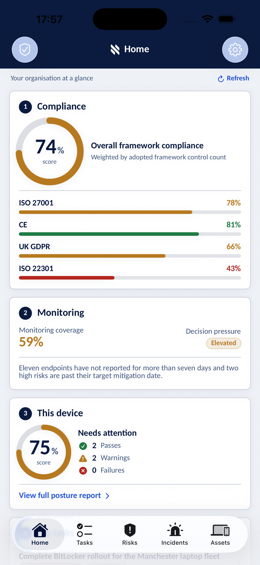
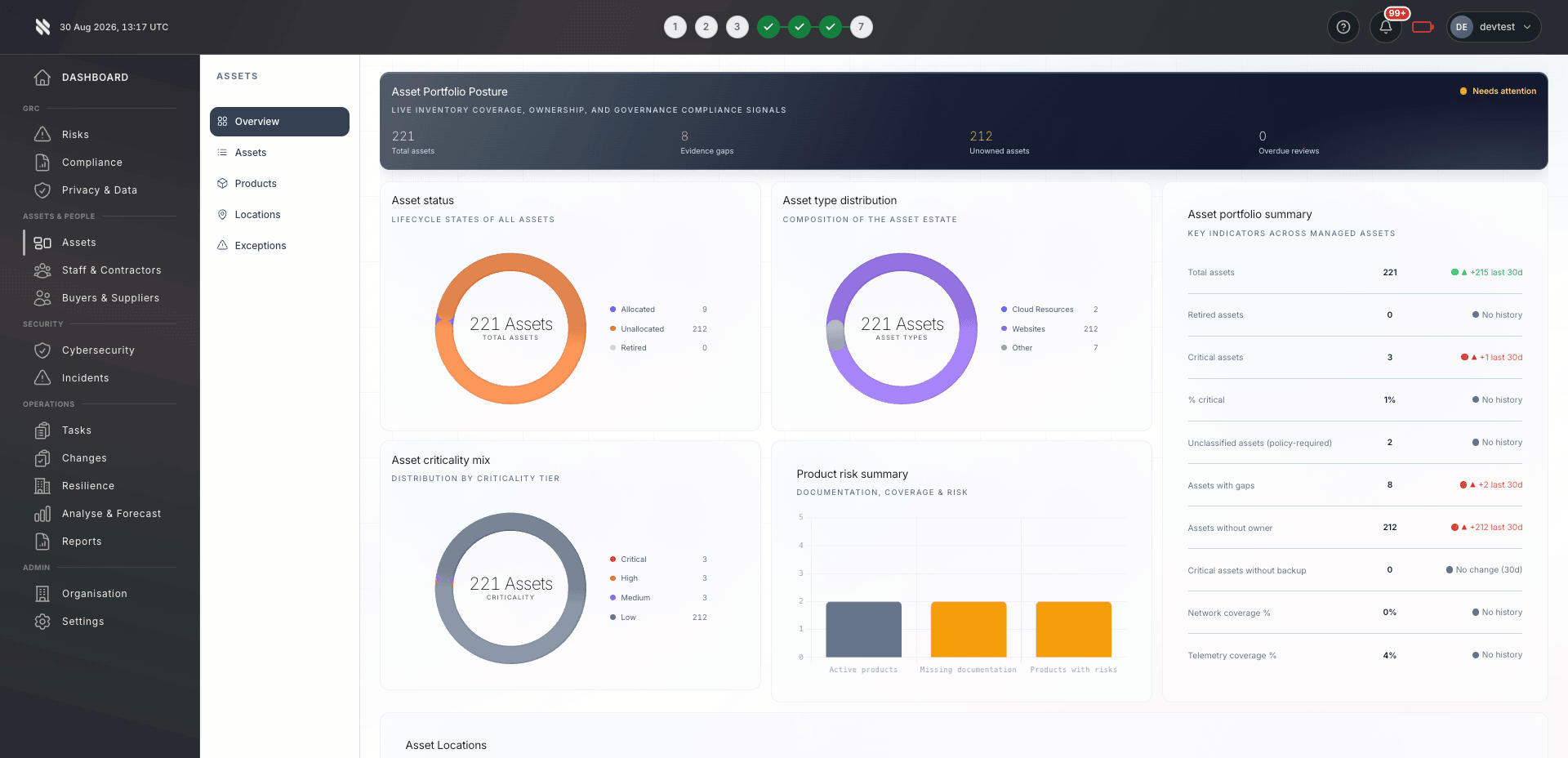
This asset portfolio view shows the wider Fig environment. Ask us to demonstrate data discovery & classification against your own requirements.

A tailored walkthrough lets you review the relevant workflows, supported connections and reporting before deciding whether Fig is right for your team.

See it in a demo
Fig asset portfolio showing inventory coverage, ownership, asset status and criticality
Fig mobile app Home screen showing framework compliance, monitoring coverage and device posture
Fig platform · Asset portfolio
Built around your role

One platform. Different responsibilities.

Bring delivery, oversight and assurance together without losing sight of who owns the next action.

Colleagues working together with laptops in an office

MSPs & MSSPs

Multi-client data classification standardised across workforces. White-label discovery and reporting for your MSP brand.

Explore Fig for MSPs
Business team discussing shared priorities

In-house teams

Understand your actual data footprint and exposure. Direct integration with data governance and incident response teams.

Explore Fig for organisations
Reviewing business records and supporting documentation

Compliance & audit teams

Structured evidence of data location, classification consistency, and access controls for data protection audits.

Discuss your requirements
A considered start

Evaluate the fit. Then agree the rollout.

Start with the outcomes you need. We will discuss scope, delivery and commercial terms with you before you commit.

  1. 1

    Tell us what matters

    Discuss your current approach to data discovery & classification, the teams involved and the requirements you need to meet.

  2. 2

    Review the workflows

    See the relevant features in a tailored demonstration. Confirm integration coverage, responsibilities and any configuration needed.

  3. 3

    Agree your next step

    Review the proposed scope and pricing. Set implementation priorities, ownership and review points around your organisation or client portfolio.

Platform functionality and automation depend on the agreed scope, configuration and connected systems. Software supports your compliance programme; it does not replace an independent assessment or guarantee certification.

Before you decide

Your questions, answered.

Need to discuss a specific requirement or client scenario?

Speak to Fig
How does Fig Group classify sensitive data?

Fig Group uses pattern matching, content fingerprinting, and customisable classification rules. You can add industry-specific or organisation-specific classifiers and refine them based on accuracy feedback.

Does this work with unstructured data?

Yes, across supported connected repositories and file formats. Agree source permissions and exclusions during setup; scanned content can still need human classification review.

How often does data discovery run?

Refresh timing depends on the connected source and configured scan schedule. Endpoint scans can be scheduled; review source coverage and the last successful scan before treating a result as current.

Will this slow down our endpoints or file servers?

You can set endpoint scan windows and resource limits. Performance depends on the source, dataset and configuration, so test representative workloads during rollout.

How does Fig Group help with GDPR data subject access requests?

Fig Group helps locate matching personal data in scanned environments. A responsible reviewer must check unscanned sources, identity, exemptions, accuracy and disclosure before responding to a request.

Take the next step

See how data discovery & classification could work for you.

Tell us what you would like to achieve. We will arrange a relevant conversation about the platform, your requirements and the right next step.

  • A walkthrough focused on your priorities
  • Clarity on scope, connections and delivery
  • A discussion of pricing for your requirements

Speak to Fig

Tell us what you need. We’ll help you take the next step.

A brief message is all we need to get started.